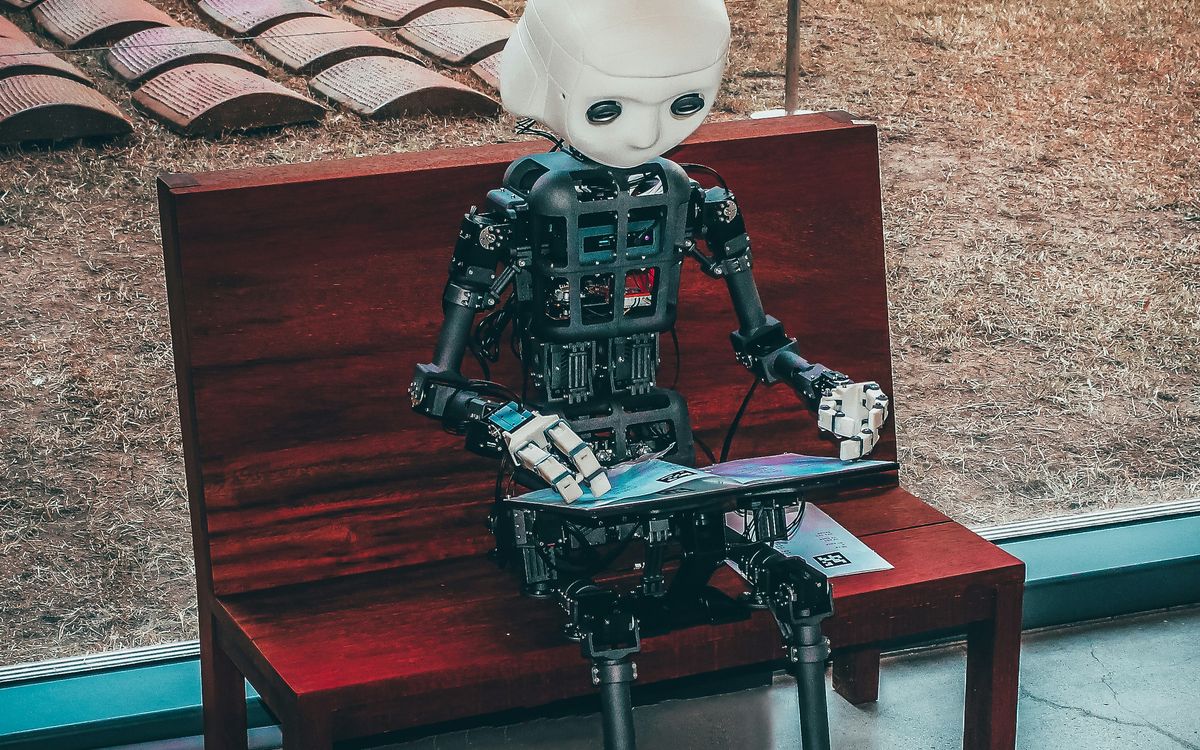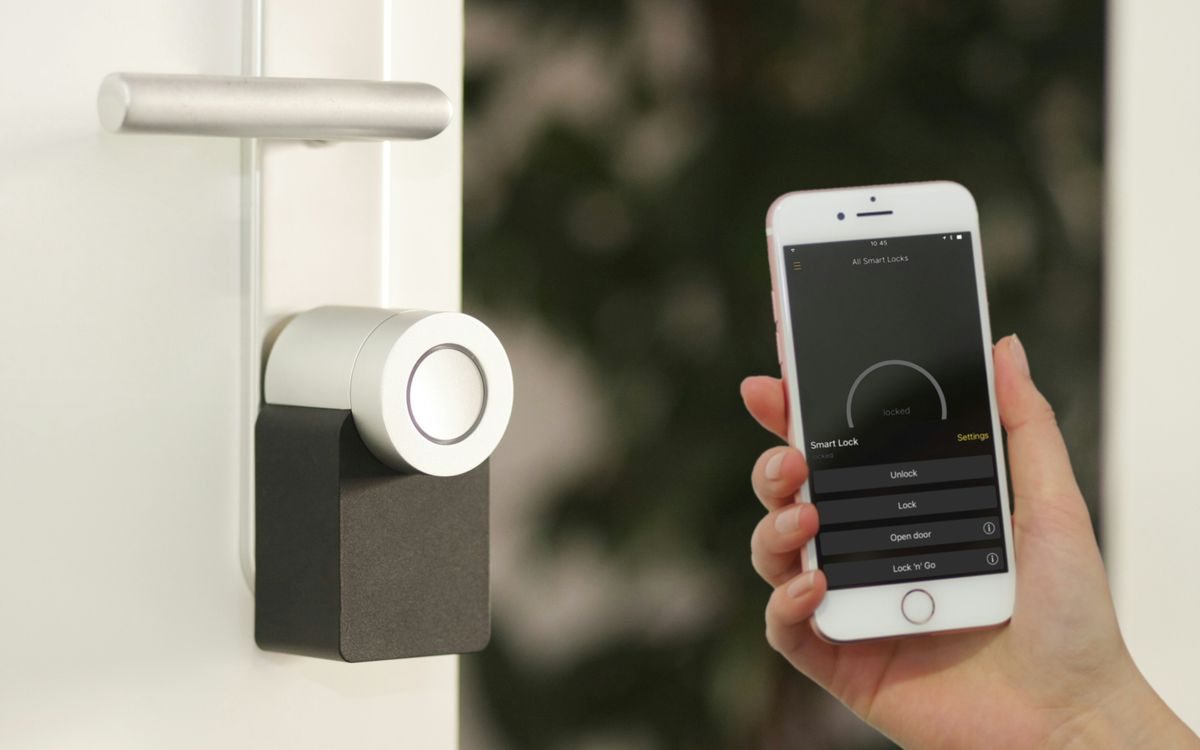
When FIRA Cup introduced a brand-new league called "Smart Home," it wasn't just another robotics competition. It was a glimpse into the future of robotics — a space where artificial intelligence, the Internet of Things (IoT), and motion hardware converge inside a single unified project.
This article breaks down what the Smart Home League is, why it matters, and what skills it gives students that no classroom ever could.
What Exactly Is This League?
Teams must build a robot that, inside a simulated home environment, can:
- Map its surroundings (SLAM — Simultaneous Localization and Mapping)
- Identify objects (using Computer Vision)
- Complete household tasks (such as cleaning or fetching objects)
- Communicate with the user (via voice recognition or a mobile app)
- Respond to the home's IoT sensors (temperature, motion, light)
In other words, a robot that doesn't just move — it understands, recognizes, and decides. (Also read: Why AI Should Be Taught in Schools.)
Why Is This League Different?
Traditional robotics leagues focus on a single skill: robot soccer is about control and locomotion; Line Follower is about sensors and algorithms. The Smart Home League challenges multiple domains simultaneously:
Students who compete in this league walk away with more than a robotics project on their resume — they have their first real AI + IoT project. (Also read: Why AI Should Be Taught in Schools.)
Technical Skills Gained
1. SLAM and Mapping
The robot must map its environment from scratch, with no prior knowledge. That means grasping concepts like LiDAR, encoders, and Particle Filters — and in advanced builds, Visual SLAM using a camera.
2. Computer Vision
Object detection (furniture, doors, toys) using OpenCV or model-driven libraries like YOLO. Teams typically build a small custom dataset and train a purpose-built model.
3. IoT Communications
The robot must communicate with ambient sensors via the MQTT protocol, WiFi, and Bluetooth Low Energy — building a working foundation in networking and IoT security.
4. Voice Control and Basic NLP
More advanced teams implement wake word detection and simple voice commands. This is both technically compelling and one of the most in-demand skill sets for the years ahead.
5. Embedded Python and Real-Time Execution
Raspberry Pi and Jetson Nano are the standard platforms. Students learn to write performant Python on resource-constrained hardware — a skill that translates directly to industry work.
Novin Zehn Academy's Experience in This League
Novin Zehn Academy's team has competed in the Smart Home League since 2023. In that time:
- 4 international placements at FIRA Cup events in Iran, Germany, and Canada
- Students who started their robotics journey through this league are now working as professionals at technology companies
- 8 fully functional robots built over 4 years of real competition experience
"The future of robotics isn't just robots. It's systems that understand AI, IoT, and hardware together. This league is training for that future."
Who Is This League For?
This league isn't for everyone. Prerequisites include:
- Minimum age: 14 — the concepts are complex and demand sustained focus.
- At least 6 months of Python — you need to be genuinely comfortable writing code.
- Prior robotics project experience — basic locomotion and sensor integration.
- A team of 2–5 members — solo entries are not accepted.
- Time commitment: 8–12 months of preparation to reach competition-ready level.
Costs and Realities
To be direct: this league is more expensive than entry-level competitions.
- Robot hardware: significant investment (Raspberry Pi, LiDAR, chassis, motors)
- IoT sensors: additional hardware budget
- Registration and international travel for competitions: substantial cost
But the quality of learning more than justifies the investment. Students who have competed in this league found that university courses barely covered anything new — they already knew it all.
How to Get Started
- First, confirm the student meets the prerequisites — foundational Python and a prior robotics project.
- Assemble a team of 3–4 members, ideally with complementary skills: one programmer, one in electronics, one in AI.
- Start 8–12 months before the competition date.
- Find an experienced mentor. Without guidance, this league is practically unwinnable.
5 Key Takeaways from This Article
- The Smart Home League is FIRA's emerging competition that combines AI and IoT inside a real-world robotics project.
- The robot must map a simulated home, identify objects, complete cleaning tasks, and communicate with a user.
- Skills gained: SLAM, Computer Vision, MQTT/IoT, basic NLP, and Embedded Python.
- Novin Zehn Academy's team has been earning honors in this league since 2023, with 4 international placements.
- Suited for ages 14+ — the bridge between foundational robotics and professional-level engineering.
Frequently Asked Questions
What is the minimum age for the Smart Home League?
14 years old is recommended. Below that age, simpler FIRA Cup leagues are more appropriate. The AI and IoT concepts involved are genuinely complex for younger students.
What are the prerequisites?
At least 6 months of Python experience and familiarity with a motion robot. Basic ROS knowledge is helpful but not required. Prior robotics project experience is strongly recommended.
What does participation cost?
Registration fees are relatively modest, but building the robot and traveling to international competitions represent significant investments that should be factored in from the start.
Are solo entries accepted?
No. Teams must have a minimum of 2 and a maximum of 5 members. A team of 3–4 with complementary skills — software, hardware, and AI — tends to perform best.
What advantage does this league have over others?
The combination of AI, IoT, and hardware in a single competition is unlike anything else — a genuine bridge between traditional robotics and the most sought-after expertise of the next generation. The output is a real, industry-grade portfolio project.
Join Novin Zehn's Smart Home League Team
Ready to compete at the international level? Book a free consultation to learn how to join Novin Zehn Academy's competitive team.
Book a Consultation →